
Call 214-506-0671

Recent Blog Posts
ICE Shooting Austin Texas: What Happened & Your Rights
On Sunday afternoon, September 20, 2026, a federal Immigration and Customs Enforcement officer shot and seriously wounded a Venezuelan immigrant working as a DoorDash driver in North Austin. The victim was shot in the torso during what law enforcement described as an immigration enforcement operation. He was transported to a local hospital in serious but stable condition.
This is not an isolated incident. This shooting represents the second ICE shooting in Texas in 2026 and reflects an escalating pattern of aggressive immigration enforcement operations under the current Trump administration.
What We Know About the Austin Shooting
The shooting occurred near Anderson Square and Research Boulevard in North Austin, just blocks from the home of Austin City Councilmember Mike Siegel. According to witnesses and officials at the scene:
- A federal ICE agent discharged a firearm, striking the victim once in the torso
- At least two bullet holes were visible on the passenger side of the victim's vehicle
September 2026 Visa Bulletin: Major Advances in Family-Based Green Cards
September 2026 Visa Bulletin: Major Advances in Family-Based Green Cards
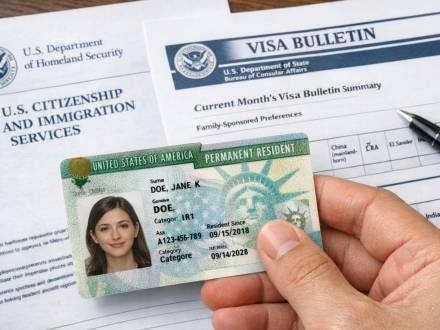
If you've been waiting years for a loved one to immigrate to the United States, September 2026 brings exciting news. The latest visa bulletin shows the biggest movement in family-based visa categories since July—and it could mean your family is getting closer to reunion.
Family immigration can feel like a waiting game. You file a petition, you wait for approval, and then you wait for a visa number to become available. That last step—getting a visa number—depends on the monthly visa bulletin released by the U.S. State Department. In September 2026, many families finally see real progress.
What Is the Visa Bulletin?
The visa bulletin tracks when visa numbers become available for people waiting to immigrate. If you have an approved family immigration petition, your ability to apply for a green card depends on:
- Your priority date (the date your petition was filed)
Marriage Fraud and USCIS: Why Your Attorney Matters
Why USCIS Is Cracking Down on Marriage Fraud
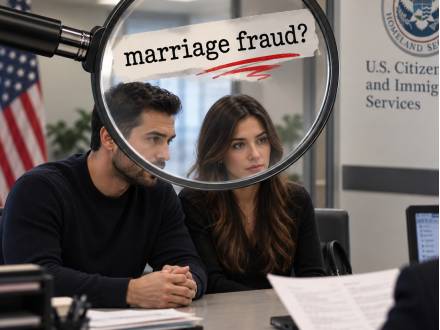
USCIS enforcement efforts against marriage fraud have escalated dramatically. In 2026 alone, the Department of Justice and USCIS have dismantled multiple nationwide marriage fraud rings involving thousands of fraudulent cases. Most recently, 11 defendants were indicted in a decade-long marriage fraud conspiracy that operated across multiple states. These high-profile takedowns signal one thing: USCIS is dedicating significant resources to identifying and prosecuting sham marriages.
This matters to you because heightened enforcement means USCIS officers are applying stricter scrutiny to all marriage-based petitions, not just the obvious ones. If your case involves a spousal petition, you need to understand what triggers investigation and how to defend a legitimate marriage.
The Reality Behind the Crackdown
Marriage fraud undermines the integrity of family-based immigration. Unlike employment-based cases or diversity visas, family-based petitions depend entirely on proving a genuine relationship. When USCIS identifies patterns of fraud, they don't just penalize individual cases. They flag entire networks, interview petitioners separately, and sometimes refer cases for criminal prosecution.
New I-485 Form Changes and I-864 Requirements: What You Must Know About Public Charge Rules in 2026
Understanding the September 2026 Changes to Your Green Card Application
Your immigration case matters. The I-485 form changed on September 18, 2026. The rules for the I-864 affidavit changed too. This guide explains what changed and why it matters to you.
Important: The explanatory guidance is gone. USCIS removed the detailed explanations from the instructions. The form still has instructions, but they no longer explain what each question means or what USCIS is looking for. This means you must figure out what to do on your own. The form asks questions, but there is no detailed guidance telling you how to answer. This is a major change that affects everyone filing after September 18, 2026.
USCIS published a new I-485 form edition that focuses on public charge inadmissibility. Public charge means becoming dependent on government benefits. The government now reviews this differently. There is no grace period. USCIS rejects the old form completely if filed after September 18, 2026.
B-1/B-2 Visa Revocation: Why Your Asylum Application Still Works
Is Fear Is Real, And What You Need to Know

If you received a B-1 or B-2 visa to visit or do business in the U.S., and then filed for asylum, you're probably worried right now.
The Trump administration announced plans to revoke approximately 200,000 B-1 and B-2 visas belonging to people who filed asylum claims. It's the largest mass visa revocation in U.S. history.
And yes, if this affects you, your anxiety is completely understandable.
But here's the truth: Your pending asylum case is not affected by visa revocation. They are two completely separate legal claims. One does not cancel out the other.
This distinction is critical, and it's what separates people who panic from people who understand their actual legal position. Let's break it down.
What the Trump Administration Is Actually Doing
In August 2026, the Trump administration announced the revocation of B-1 and B-2 visas (visitor/business visas) for approximately 200,000 foreign nationals who filed asylum applications.
The 39-Country Ban Is Still in Effect: What Changed and What Didn't
Confused about the 39-Country ban vs. the 75-County Visa Freeze?

The 39-country ban is a presidential proclamation that started January 1st, 2026, and it is still blocking immigrant visas right now. If you're a national of one of the 39 banned countries, your ability to immigrate to the United States has been significantly restricted. But if you've been hearing about both the 39-country ban and a 75-country visa freeze, you're not wrong to be confused. They're two completely different policies from two different government agencies, and only one is still standing in August 2026.
The distinction matters for your immigration case. Here's what you need to know about the 39-country ban, how it works, and how it differs from the 75-country freeze that was recently struck down by a federal court.
The 39-Country Ban: Presidential Proclamation Based on National Security
The 39-country ban came from the President as a national security measure under a presidential proclamation. It is still in effect as of August 2026.
75-Country Pause Lifted: What This Means For Your Case
BREAKING NEWS: This ruling was issued on August 21, 2026. If your visa application was stuck due to the 75-country pause, this changes things for you.
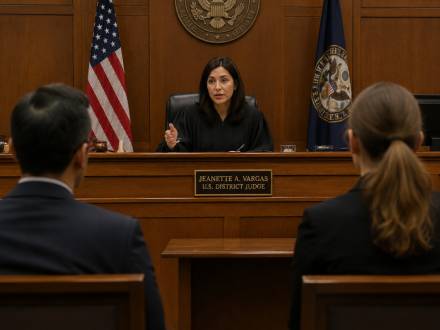
BREAKING NEWS: This ruling was issued on August 21, 2026. If your visa application was stuck due to the 75-country pause, this changes things for you.
What Happened: The Judge's Decision
On August 21, 2026, U.S. District Judge Jeanette A. Vargas ruled that the State Department's 75-country visa pause was illegal. This pause had blocked immigrant visas for people from 75 countries starting in January 2026.
The judge found that the policy violated federal immigration law in two main ways:
- It discriminated based on nationality (which the law prohibits)
- It misused the "public charge" rules in a way Congress never allowed
This is good news if your case has been stuck because of this pause.
USCIS Public Charge Rule Changes: Answers to Your Questions
A Simple Guide to Who This Affects and What It Means
USCIS just announced new rules about public charge that take effect September 18, 2026. If you're applying for a green card, sponsoring a family member, or already in the immigration process, you might be wondering: Does this affect me? What exactly changed? Do I need to do anything differently?
This guide answers the most common questions in plain English.
What Is Public Charge, and Why Should I Care?
Public charge is an immigration rule that can block you from getting a green card if the government thinks you'll become dependent on government benefits.
Think of it this way: When you apply for a green card, USCIS asks, "Will this person be able to support themselves without depending on government help?" If they say no, they can deny your application.
Immigration Case Taking Too Long? Here's What You Can Do About It
When Your Immigration Case Gets Stuck: Understanding Your Options
If you filed an immigration case and it's taking far longer than expected, you're not alone. USCIS processing times can stretch months or even years, leaving families separated and applicants in limbo. Whether you're in California, the Bay Area, or anywhere across the United States, waiting indefinitely isn't your only option. If your immigration case is taking too long, there are legal remedies available, and an attorney's letter could be the first step toward getting your case moving again.
This guide explains mandamus, a powerful legal tool for applicants whose immigration cases have stalled, and how an immigration attorney can help. Our Concord, California office has helped clients nationwide navigate delayed immigration cases, and we're here to explain how mandamus might work for you.
What Is Mandamus?
Mandamus is a legal remedy that compels a government agency (in this case, USCIS or another immigration authority) to take action on a case that should have been completed. The term comes from Latin and means "we command."
USCIS E-Filing Rule: What You Need to Know About Filing Immigration Forms Online
USCIS UPDATE: E-Filing Rule
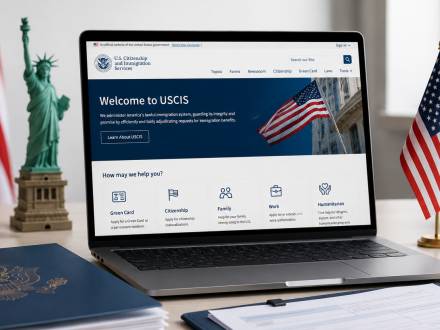
Starting this month, USCIS is moving toward requiring more immigration forms to be filed online. If you're applying for a green card, asylum, citizenship, or any other immigration benefit, this change will eventually affect you. Here's what's happening and what you need to do now.
What Changed?
On August 11, 2026, USCIS announced a new rule that lets them require electronic filing for immigration forms. This is a big shift—for years, people could mail paper forms to USCIS lockbox addresses. That option is going away.
The rule doesn't make all forms online-only immediately. Instead, USCIS can now require e-filing for any form that has been available online for at least 180 days. When they decide to make a form mandatory e-filing, they have to give you 60 days' notice first.
Which Forms Will This Affect?
Eventually, this could affect almost every immigration benefit:
- Green card applications (Adjustment of Status applications)


Our firm provides representation for people throughout the United States. From our Concord office, we serve clients in San Francisco, Oakland, San Rafael, San Pablo, Richmond, Berkeley, Alameda, San Leandro, Hayward, Fremont, San Bruno, San Mateo, Palo Alto, San Jose, Mountain View, Milpitas, Cupertino, Santa Clara, and Campbell. Additionally, we serve clients in Texas cities including, Plano, Frisco, Allen, Carrollton, Farmers Branch, Richardson, Garland, Mesquite, Irving, Grand Prairie, Arlington, Euless, Bedford, Grapevine, Coppell, and Fort Worth.
Results listed are not a guarantee or indication of future case results.